The Chattogram Development Authority (CDA) has launched an initiative to preserve more than 105 historical and heritage structures across Chattogram under its new master plan.
According to CDA officials, a comprehensive list of 105 structures has been prepared for conservation. Of these, 53 are located within the city area, while the remaining 52 are spread across various upazilas in the district.
The identified heritage sites include historic buildings, residential houses, mosques, temples, churches, monasteries, bridges, lighthouses, zamindar houses, and railway structures—reflecting Chattogram’s long historical journey from the Sultanate period to the British colonial era.
Engineer Abu Isa Ansari, Deputy Chief Urban Planner and Master Plan Project Officer of CDA, confirmed the initiative on Sunday. He described Chattogram as a “living museum of Bengal’s rich cultural and architectural heritage,” which is increasingly under threat from rapid urbanisation, neglect, and natural disasters.
As part of the Chattogram Metropolitan Master Plan Project, CDA has prepared a working paper titled “Identification and Conservation of Archaeological Heritage Sites.” The plan proposes tourist mapping, installation of digital information boards, and infrastructure development around selected heritage locations.
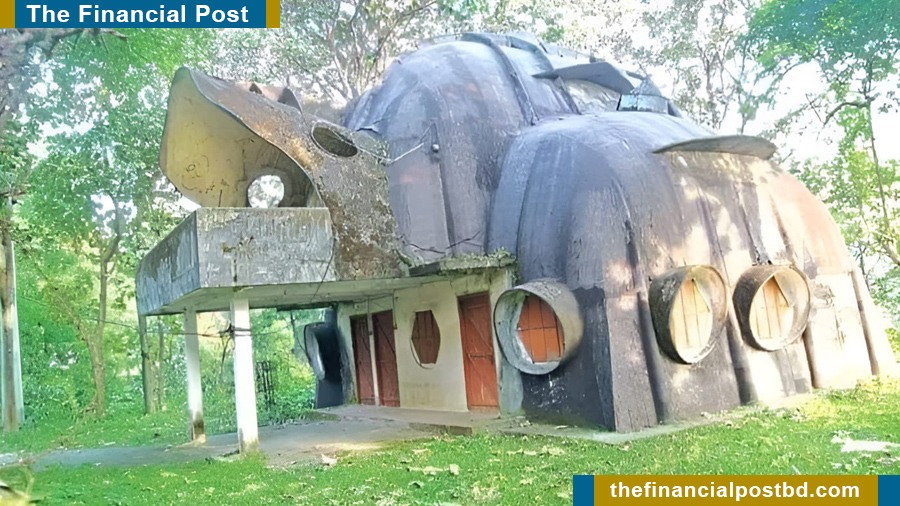
Notable structures on the list include the Elephant Bungalow (131 years old), CRB Bhaban (built in 1872), Chattogram Court Building, Laldighi Maidan, Old Circuit House (now Zia Memorial Museum), Kalurghat Bridge, Pahartali European Club, Chandanpura Mosque, and Badr Aulia Dargah. Several historic areas such as Andarkilla, Chawkbazar, Pahartali, Chandgaon, and Katalganj are also included.
Beyond the city, the list features Oli Khan Mosque and Hamza Khan Mosque in Hathazari, Norman’s Point Lighthouse in Anwara, along with various Buddhist temples, zamindar houses, colonial-era structures, and other culturally significant landmarks across multiple upazilas.
Officials said the selection was based on historical importance, structural condition, and cultural value, following guidelines from the Department of Archaeology and international heritage standards.
The project aims not only to restore and protect these sites but also to integrate them into local cultural and economic activities, promoting heritage-based tourism and sustainable urban development.
Authorities plan to share the list with relevant institutions to ensure legal protection. Once incorporated into the master plan, these structures will be safeguarded from demolition and considered for future restoration projects.
The verification process is expected to be completed by December, after which conservation work will begin.
Historians and academics, including Debashish Kumar of the University of Chittagong, have welcomed the initiative, noting that preserving these sites will help younger generations connect with history while boosting tourism potential in the region.
FP/MI


 UP Chairman arrested in Cumilla auto-rickshaw driver killing case
 HC issues rule over compensation for 208 expatriate ‘July fighters’
 44,955 Bangladeshi Hajj pilgrims reach Saudi Arabia
 Ex-lawmaker Bubly shown arrested in Anti-Terrorism case
 Writ challenges legality of actions taken by Yunus-led interim govt





 107 police personnel to get medals
 Two vessels carrying 53,600 tonnes of diesel arrive at Ctg Port
 Fascist regime destroyed sectors including education, health: PM
 This honour belongs to the people: Runa Laila
 PM arrives in Sylhet