Fifteen percent of Bangladeshi journalists surveyed said they had experienced sexual harassment at work, with women reporting significantly higher rates of verbal, online and physical harassment than men, according to a survey of 339 journalists.
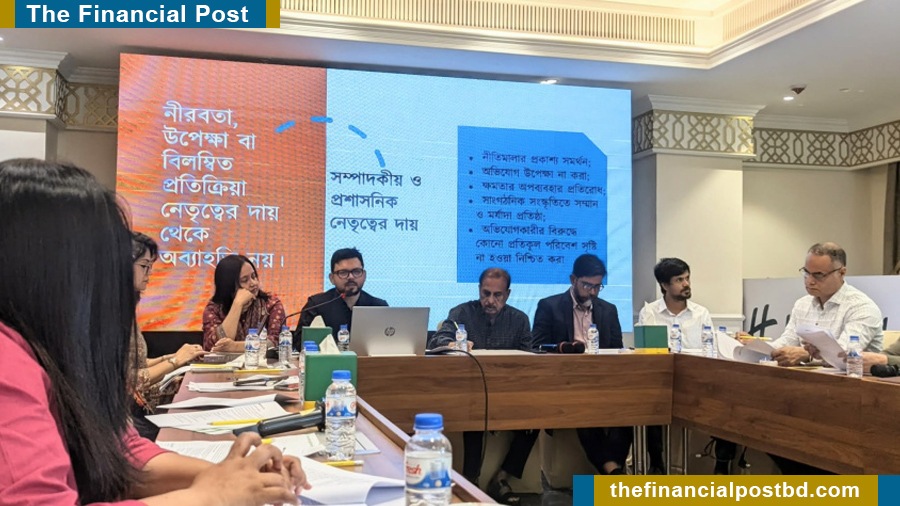
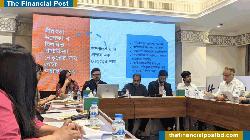
The findings were presented today at the launch of the Sexual Harassment Response Protocol for Media Professionals at a hotel in the capital.
The survey, conducted in 2025 by the World Association of News Publishers in partnership with BBC Media Action, included 100 women and 190 men. Four respondents did not disclose their gender, while 45 preferred not to reveal their identity.
The findings showed that 60 percent of women who experienced harassment reported verbal abuse, compared with 9 percent of men.
Online harassment was reported by 48 percent of women and 15 percent of men, while physical harassment was reported by 24 percent of women and 7 percent of men.
Among the 339 respondents, seven women and two men said they had experienced rape.
Arafat Siddique of BBC Media Action presented the findings at the event around 11:30am.
The survey also highlighted weak institutional responses, particularly in cases of verbal harassment.
No institutional action was taken in 43 percent of cases where women reported verbal harassment. For men, no action was taken in 60 percent of such incidents.
Where action was taken, issuing warnings to the perpetrator was the most common response, according to the findings.
The programme was organised by BBC Media Action under its Strengthening Women Journalists' Network to Tackle Sexual Harassment initiative, supported by the Foreign, Commonwealth and Development Office, in partnership with the Women Journalists Network Bangladesh.
BBC Media Action Country Director Al Mamun, Newspaper Owners' Association of Bangladesh President Matiur Rahman Chowdhury, also editor-in-chief of Manab Zamin, and Women Journalists Network Bangladesh Coordinator Angur Nahar Monty also spoke at the programme.
FP/MI




 President to host Independence Day reception tomorrow
 Gold price drops by Tk5,482 per bhori
 JCD activist stabbed to death in Cox’s Bazar
 PM holds special meeting to tackle fuel crisis
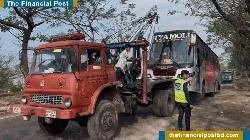 3 killed as bus ploughs into crowd in Feni
 Offices and courts reopen on Tuesday after Eid holidays
 Petrol pumps across Bangladesh 'may shut anytime'
 Main Eid jamaat at Nat'l Eidgah at 8:30 am, five congregations at Baitul Mukarram
 4 children killed as bridge collapses in Jamalpur on Eid Day