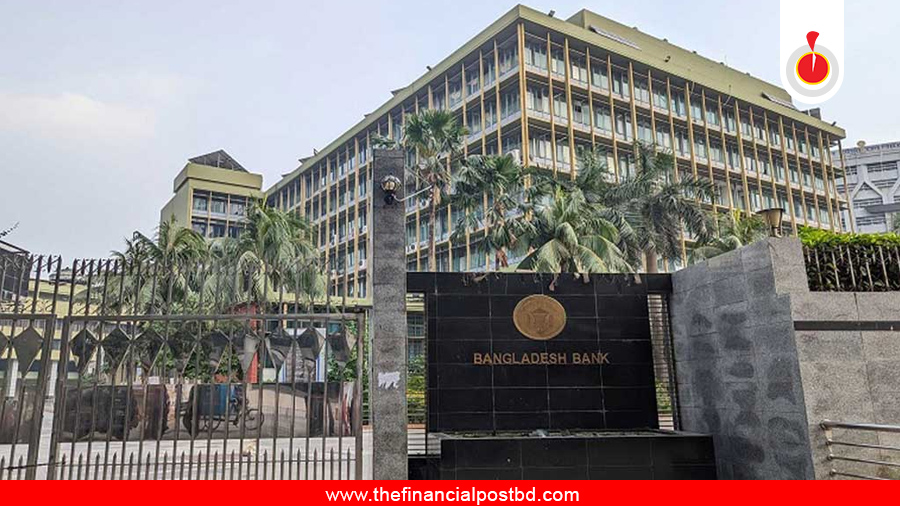
 Collected PhotoBangladesh Bank has sold $20 million from its foreign exchange reserves to commercial banks as the dollar exchange rate approached Tk124, amid rising demand for foreign currency.
This was the central bank’s second dollar sale in the current fiscal year. On September 14, it sold $11.5 million to commercial banks.
The central bank sold dollars at Tk123.65 each, up 85 paisa from Tk122.80 per dollar at its previous sale, a senior Bangladesh Bank official told The Business Standard (TBS).
A senior commercial bank official said banks had been purchasing dollars from exchange houses at higher rates, raising concerns that the exchange rate could climb further.
To contain the pressure, Bangladesh Bank sold dollars at Tk123.65 each. However, the intervention failed to bring down the exchange rate by the end of the day, the official said.
Banks had previously been able to purchase dollars from exchange houses at Tk123.60, but the rate had risen to Tk123.70 by the end of the day.
The official attributed the continued increase partly to the relatively small volume of dollars sold by the central bank at a comparatively high rate. He added that the exchange rate had been rising by around 10 paisa a day over the preceding week.
On Sunday, the exchange rate for settling letters of credit (LCs) stood at Tk123.70–Tk123.80 per dollar. The rate for purchasing remittances was also within the same range.
Holiday Demand Adds to Pressure
Another senior commercial bank official said the upcoming five-day public holiday might have contributed to the increased demand for dollars, as banks sought to maintain sufficient balances in their nostro accounts to meet overseas payment obligations.
Petrobangla and the Bangladesh Petroleum Corporation have payments due after the holiday, the official added.
A senior Bangladesh Bank official said the dollar sale signalled that the central bank would continue to intervene in the foreign exchange market if the exchange rate came under further upward pressure.
The central bank does not want the dollar rate to exceed Tk124, partly because a weaker taka could increase import costs and fuel inflation, the official said.
Higher Fuel Costs Increase Dollar Demand
Rising fuel prices have increased demand for dollars because importing the same quantities of fuel oil and fertiliser now requires more foreign currency, the official added.
Higher fuel import costs contributed to the opening of LCs worth more than $8 billion in September, the highest monthly total in 53 months, according to the official.
Bangladesh’s merchandise imports grew by more than 12% year-on-year in July and August of fiscal year 2026–27, reaching $12.20 billion, according to balance of payments data.
The merchandise trade deficit widened to $3.82 billion during the two months as import expenditure exceeded export earnings.
Meanwhile, expatriate Bangladeshis sent $1.74 billion in remittances during the first 17 days of October, according to Bangladesh Bank data.
The combination of import payments, higher fuel costs and demand for foreign currency continues to put pressure on the taka, while the central bank’s dollar sales are aimed at limiting further exchange-rate increases.
FP/MIB