 The United States is moving away from its traditional “oil-for-security” arrangement with Middle Eastern countries and no longer seeks to dominate the region, US Ambassador to Türkiye and Special Envoy for Syria and Iraq Tom Barrack has said.
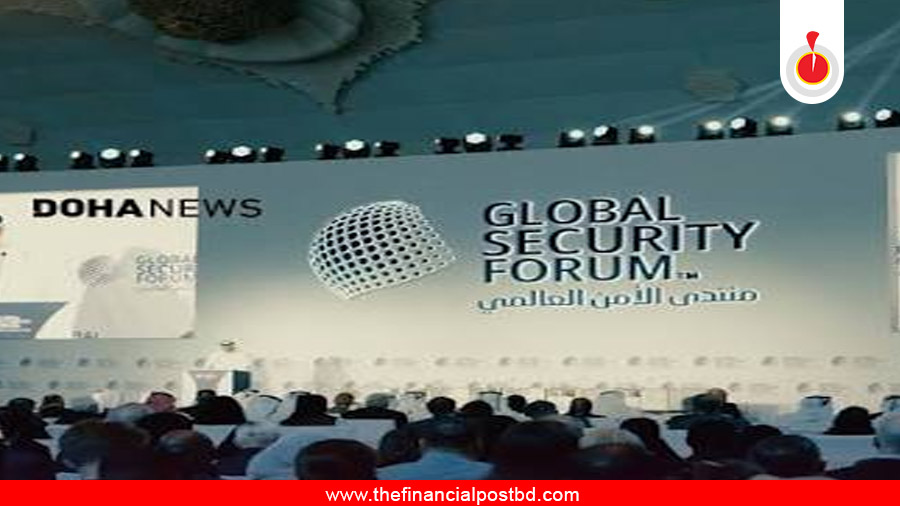
However, Washington has no plans to withdraw completely from the Middle East, Barrack said on Tuesday while speaking at the Global Security Forum in Doha, Qatar.
“The bargain is not to control, but to not leave. We’re not leaving,” Barrack said, describing a shift in Washington’s approach to the region after decades of intervention and attempts to reshape governments.
According to Barrack, the United States is reassessing its regional role, focusing less on maintaining control and more on how to sustain its presence without assuming responsibility for resolving every regional problem.
He also suggested that Middle Eastern countries were increasingly recognising the limits of their reliance on Washington.
“Everybody is saying: OK, I can’t rely on America to solve all my problems,” he said.
Barrack questioned the effectiveness of past US interventions, arguing that attempts to change governments or political leaders in the region had often proved counterproductive.
“Every time we try and intervene, change the person or the regime, it seems to have been a mistake,” he said.
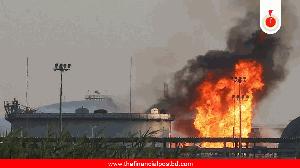
His remarks come amid continuing tensions between Washington and Tehran and diplomatic efforts to end the ongoing US-Israeli war against Iran. The conflict has heightened regional insecurity and disrupted global energy supplies.
Qatar has continued to facilitate diplomatic contacts between the United States and Iran as efforts to reach an agreement proceed amid fears of renewed fighting.
Barrack’s comments suggest a reassessment of Washington’s traditional security commitments and interventionist approach rather than a complete retreat from the Middle East.
The remarks also point to a possible shift towards greater regional responsibility for security, with Middle Eastern countries being encouraged to address their own challenges rather than depend exclusively on the United States.
FP/MIB