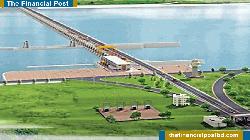
The long-awaited third terminal of Hazrat Shahjalal International Airport will, once fully operational, nearly double the airport’s current passenger handling capacity, according to the Chairman of the Civil Aviation Authority of Bangladesh (CAAB), Air Vice Marshal Mostafa Mahmud Siddiq.
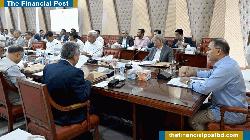
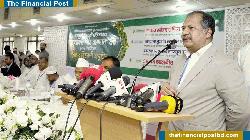
He shared this expectation during a courtesy meeting with the members of the Bangladesh Aviation and Tourism Journalists Association (BATJA) at the CAAB headquarters on Thursday (14 May).
The CAAB chairman said that the airport currently has an annual passenger handling capacity of around 13 million. Once the third terminal becomes operational, this capacity will increase to 19 million passengers.
He added, “With the launch of the terminal, we will be able to serve more airlines, which will directly contribute to increasing revenue in the country’s aviation sector.”
Modernisation and passenger services
To reduce passenger inconvenience and improve service quality to international standards, several advanced technologies are being introduced in the third terminal.
Air Vice Marshal Mostafa Mahmood Siddiq said that the terminal will feature modern immigration systems and automated customs facilities for passengers. In addition, a large multi-level car parking facility with space for around 1,200 vehicles will be built, which is expected to significantly reduce the long-standing traffic congestion at the airport.
Regarding concerns about mobile network connectivity inside the terminal, he assured that strong coverage will be ensured through the installation of adequate signal repeaters.
He also mentioned that, under the direct instructions of the Prime Minister, preparations are underway to launch the third terminal as quickly as possible.
Efforts are also ongoing to reopen eight long-closed domestic airports, including Bogura, Ishwardi, Thakurgaon, and Lalmonirhat, to strengthen internal air connectivity.
Stakeholders believe that once the third terminal is operational, Bangladesh will emerge as an important aviation hub in South Asia. The modern infrastructure and increased passenger capacity are expected to boost not only tourism but also the country’s overall economy.
FP/MI



 11-year-old girl suffered bullet injuries in Ctg shooting dies at CMCH
 Seven children die from measles, symptoms in 24 hours
 BJP govt limits cow slaughters to certified cases in West Bengal
 Dhaka Airport 3rd terminal to double capacity, boost aviation sector: CAAB chairman
 SSC exams to begin on 7 January, HSC on 6 June
  When Talented People Become Humane, Society Benefits the Most: DC Jahid
 Kaarina Kaisar to be airlifted to Chennai for advanced treatment
 Govt eyes annual tax on bikes, battery-run auto-rickshaws
 Importance of Nurses in Society and Healthcare—Views from Chattogram Officials
 2 Bangladeshi nationals killed in Israeli drone strike in Lebanon