Bangladesh was among the 10 countries carrying the highest burden of acute food insecurity last year, although the country saw some improvement, according to a UN-backed annual report released Friday.
The Global Report on Food Crises, based on data from the United Nations, the European Union and humanitarian agencies, said two-thirds of people facing food crises globally in 2025 lived in just 10 countries, with a third of them concentrated in Sudan, Nigeria and the Democratic Republic of Congo.
“Acute food insecurity remains highly concentrated (in) 10 countries – Afghanistan, Bangladesh, the Democratic Republic of the Congo, Myanmar, Nigeria, Pakistan, South Sudan, Sudan, Syrian Arab Republic, and Yemen,” the report said.
It added that improvements in some countries, including Bangladesh and Syria, were “almost fully offset by notable deteriorations” in Afghanistan, DR Congo, Myanmar and Zimbabwe.
Around 266 million people in 47 countries or territories experienced high levels of acute food insecurity last year, nearly double the share recorded in 2016, the report said.
Conflict remained the main driver of acute food insecurity worldwide, according to the report.
It also warned that with conflicts and climate extremes “likely to sustain or worsen conditions in many countries”, the outlook for 2026 is “bleak.”
For the first time in the report’s 10th edition, famine was confirmed in two separate contexts in the same year — in Gaza and parts of Sudan.
The report also warned about a sharp decline in international aid and said the Middle East war risked worsening existing crises by increasing displacement in a region already hosting millions of refugees and by driving up fertilizer costs.
The blocking of the Strait of Hormuz, a key global oil supply route, has sent fertilizer prices soaring as they depend on oil-based inputs.
“Now we’re in planting season,” Alvaro Lario, head of the UN’s International Fund for Agricultural Development (Ifad), told AFP.
“So for sure this current food shock – both with the energy prices going up and also fertilizers going up – I think it’s going to have a massive impact in terms of production,” Lario said.
He called for greater support to small-scale farmers, including investment in water- and climate-resilient crops.
Crises could also be eased by farmers producing fertilizer locally and improving soil health so less fertilizer is needed, he added.
Ifad is also working to boost investment by the local private sector.
“Creating the instruments and incentives for the local private sector… is a very important way of making that sustainability and that development money go a longer way,” Lario said.
FP/MI
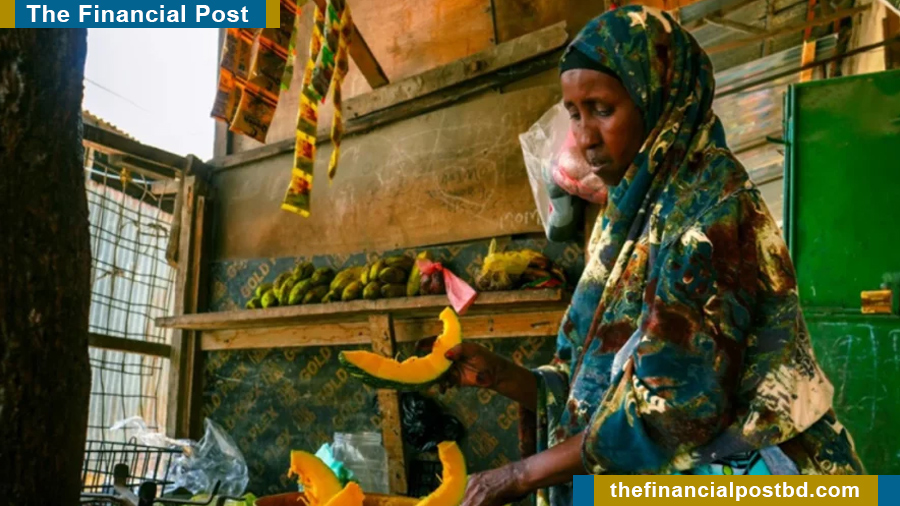


 Bangladesh among world’s top 10 food crisis countries: UN
 Bangladesh should avoid over-alignment with any single bloc: Crisis Group
 10% fare hike proposed for lighter vessels after fuel price increase
 Countries move worldwide to restrict social media access for children
 Woman killed after being run over by truck in Jhenaidah



 12 Feb election established voting rights of people: PM
 Arrest warrant issued against MP Amir Hamza
 Police uniform colours set for another change
 US announces ceasefire extension with Iran
 Mobile signals weaken as blackouts, fuel shortages spread