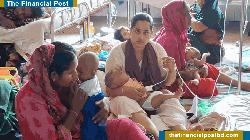
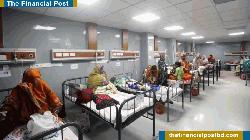
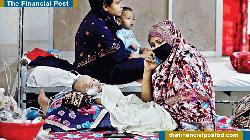
Millions of women around the world continue to be left behind in accessing essential healthcare despite rapid scientific advancements, the United Nations Population Fund (UNFPA) said in a press release marking World Health Day.
In a statement, UNFPA Executive Director Diene Keita emphasised the need to place science and innovation at the centre of efforts to build a more inclusive and equitable global health system.
“Science has never held more promise for health-yet too many women are still left behind,” she said, underscoring persistent disparities in access to care, particularly for women and girls in remote and underserved communities.
The agency highlighted that evidence-based innovations from mobile diagnostics to digital health platforms are already transforming healthcare delivery by expanding access and improving outcomes.
Portable ultrasound devices, cervical cancer screening tools, and self-administered contraceptives are helping bring life-saving services closer to those who need them most.
However, UNFPA warned that structural gaps continue to limit the impact of these advancements.
For decades, women’s health has remained underfunded and under-researched, with only a small share of global research focused on conditions that exclusively affect women.
The consequences are stark. According to UNFPA, women spend significantly more time in poor health than men and continue to face higher risks across multiple health indicators.
Each year, an estimated 260,000 women die from preventable complications related to pregnancy and childbirth.
The situation is particularly severe for marginalised populations, who often see little to no improvement in access to healthcare services over time.
UNFPA noted that such disparities not only affect individuals but also impose broader social and economic costs.
Closing the gender health gap, the agency said, could deliver major global benefits. Increased workforce participation, improved education outcomes and stronger intergenerational progress could collectively unlock up to $1 trillion annually by 2040.
UNFPA called for urgent action to ensure that scientific progress translates into real-world impact. This includes strengthening health systems, improving supply chains, reducing costs through local manufacturing, and adopting policies that prioritise the needs of women and girls.
“Investing in women’s and girls’ health is essential to building a healthier future for all,” the statement added, urging governments and stakeholders to address persistent inequalities in health, equity and economic opportunity.
FP/MI


 Bogura-6 by-polls: BNP's Rezaul Karim Badsha wins with 133,931 votes
 PSG beat Liverpool 2-0 in quarter-final first leg
 Labour Minister Ariful Haque meets Malaysian PM
 Opposition gets more time to discuss bills after note of dissent debate
 Hadi murder prime accused Faisal Karim jailed 10 years in arms case
  BSC fleet expansion: Two modern ships to boost foreign exchange earnings
 Workers of Nassa Group block Dhaka-Ctg highway over unpaid wages
 1,282 more suspected measles cases, 5 deaths recorded in a day
 Top 20 loan defaulters revealed in parliament
 Govt to launch dialysis services in 59 hospitals by next year