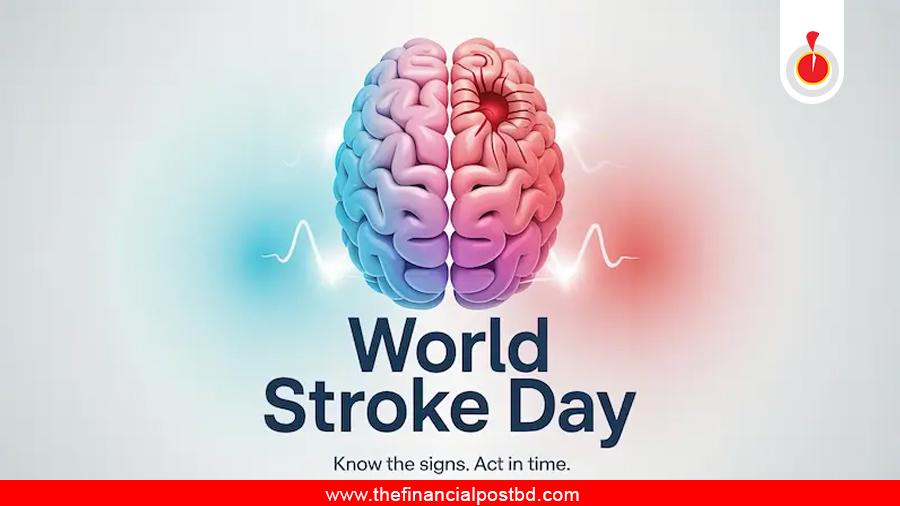
 Collected Photo Stroke is a life-threatening medical emergency that can permanently change a person's life within minutes. Sudden facial drooping, weakness in an arm or leg, difficulty speaking, or abrupt changes in vision or balance may signal a stroke. Without prompt medical attention, stroke can lead to death, paralysis, speech and communication difficulties, cognitive impairment, and long-term disability. However, early recognition, rapid access to appropriate treatment, effective prevention, and timely rehabilitation can save lives and improve recovery.
World Stroke Day is observed annually on October 29 to raise awareness about stroke prevention, warning signs, emergency treatment, and life after stroke. The 2026 campaign highlights a particularly urgent message: every minute counts. Recognizing the symptoms and seeking emergency medical care without delay can make a life-changing difference. As we observe World Stroke Day 2026, individuals, families, communities, and healthcare systems must work together to reduce the burden of this devastating condition.
What Is a Stroke?
A stroke occurs when the blood supply to part of the brain is interrupted or when a blood vessel in the brain ruptures, causing bleeding. Brain cells require a continuous supply of oxygen and nutrients to function properly. When this supply is disrupted, brain tissue can become damaged within minutes.
The effects of a stroke depend on the area of the brain affected, the extent of the injury, and how quickly treatment begins. Some people recover substantially, while others experience lasting physical, cognitive, or emotional difficulties.
Stroke must always be treated as a medical emergency. Waiting for symptoms to disappear or attempting home treatment can delay potentially life-saving care.
Types of Stroke
Stroke is primarily classified into two major types.1. Ischemic stroke: This occurs when a blood clot or another obstruction blocks an artery supplying blood to the brain. It is the most common type of stroke.
2. Hemorrhagic stroke: This occurs when a blood vessel in the brain ruptures and causes bleeding. Uncontrolled high blood pressure and certain abnormalities of the blood vessels can contribute to this type of stroke.
A related condition is a transient ischemic attack (TIA), sometimes called a mini-stroke. It occurs when blood flow to part of the brain is temporarily interrupted, producing stroke-like symptoms that subsequently resolve. Although the symptoms may disappear, a TIA is an important warning sign of possible future stroke and requires urgent medical assessment.
Because ischemic and hemorrhagic strokes require different treatment approaches, medical professionals must determine the cause before selecting appropriate treatment.
Causes and Risk Factors of Stroke
Many strokes are associated with risk factors that can be controlled or managed. Understanding these factors is an essential step toward prevention.
High blood pressure: Hypertension is one of the most important modifiable risk factors for stroke. Persistently elevated blood pressure damages blood vessels and increases the risk of both ischemic and hemorrhagic stroke.
Diabetes: Poorly controlled blood glucose can damage blood vessels and increase the risk of cardiovascular disease.
High cholesterol: Elevated levels of harmful cholesterol can contribute to fatty deposits in arteries, restricting blood flow.
Heart disease: Conditions such as atrial fibrillation, an irregular heart rhythm, can allow blood clots to form and travel to the brain.
Smoking and tobacco use: Tobacco damages blood vessels and increases the risk of clot formation.
Obesity and physical inactivity: These contribute to hypertension, diabetes, and other conditions associated with stroke.
Unhealthy dietary habits: Excessive salt intake, diets high in unhealthy fats, and inadequate consumption of fruits and vegetables can contribute to cardiovascular risk.
Excessive alcohol consumption: This may increase blood pressure and contribute to other stroke-related risks.
Age and family history: Stroke risk generally increases with age, although stroke can also affect young adults, children, and newborns.
Other factors, including certain blood disorders, vascular abnormalities, and previous cardiovascular events, may also increase risk. Effective prevention requires identifying individual risk factors and managing them under appropriate medical supervision.
Stroke symptoms usually develop suddenly. Recognizing the warning signs and responding immediately can help prevent death and disability.
Common symptoms include:Sudden drooping or weakness on one side of the face. Sudden weakness or numbness in an arm or leg, particularly on one side of the body. Difficulty speaking, slurred speech, or difficulty understanding others. Sudden blurred vision or loss of vision in one or both eyes. Sudden dizziness, loss of balance, or difficulty walking. A sudden, severe headache without an obvious cause, particularly in some cases of hemorrhagic stroke.
A simple way to remember the major warning signs is the FAST approach: F — Face: Ask the person to smile. Does one side of the face droop?
A — Arms: Ask the person to raise both arms. Does one arm drift downward or fail to rise?
S — Speech: Ask the person to repeat a simple sentence. Is the speech slurred or unusual?
T — Time: Seek emergency medical assistance immediately if any of these signs appear.
Sudden loss of balance or changes in vision are additional warning signs that should not be overlooked.
Even if symptoms disappear after a few minutes, emergency assessment remains essential. Never wait to see whether the symptoms return.
Stroke in Women, Men, and Children
Stroke can affect anyone, regardless of sex or age.
Women: Pregnancy and the period after childbirth can involve specific stroke-related risks. High blood pressure, certain cardiovascular conditions, smoking, and other individual risk factors also require attention. Women may experience the same classic symptoms as men, although some may additionally report confusion, nausea, or other less typical symptoms. Any sudden neurological change requires urgent assessment.
Men: Hypertension, smoking, diabetes, unhealthy dietary habits, excess body weight, and physical inactivity can increase stroke risk. However, stroke is not exclusively a male health problem. Prevention and early treatment are equally important for everyone.
Children: Although less common than in adults, stroke can occur in newborns, infants, and older children. Congenital heart conditions, certain blood disorders, vascular abnormalities, and other medical conditions may contribute to risk. Sudden weakness, seizures, difficulty speaking, altered movement, or other acute neurological symptoms in a child require immediate medical evaluation.
Awareness must therefore extend beyond older adults. Stroke can occur at any age, and rapid recognition is essential for every patient.
Complications and Life After StrokeThe consequences of stroke vary according to the location and severity of the brain injury. Possible complications include:
Paralysis or weakness affecting one side of the body. Difficulty speaking, understanding language, reading, or writing. Problems with memory, concentration, and decision-making. Difficulty swallowing, which may lead to aspiration and lung infections. Impaired walking and balance, increasing the risk of falls. Reduced independence in everyday activities. Depression, anxiety, emotional changes, and social isolation. Long-term disability or death in severe cases.
The effects of stroke extend beyond the patient. Family members and caregivers may face emotional, financial, and practical challenges while supporting recovery.
However, a stroke does not mean that meaningful recovery is impossible. Many survivors improve with appropriate treatment, rehabilitation, and sustained support. Recovery varies from person to person and may continue over an extended period.
How Is Stroke Diagnosed?Rapid diagnosis is essential because the treatment of stroke depends on its underlying cause.
Doctors assess the patient's symptoms, the time they began, medical history, medication use, and neurological condition. Investigations may include:
Brain CT scan: A computed tomography scan can rapidly help identify bleeding in the brain and guide initial treatment decisions.
Magnetic resonance imaging (MRI): MRI can provide detailed images of brain tissue and help identify certain strokes that may be difficult to detect with other investigations.
Blood vessel imaging: CT angiography or MR angiography may help identify blocked arteries, narrowed vessels, or other vascular abnormalities.
Blood tests: These may assess blood glucose, blood counts, clotting function, and other factors relevant to diagnosis and treatment.
Cardiac investigations: An electrocardiogram (ECG) and other appropriate tests may identify atrial fibrillation or other potential sources of blood clots.
These investigations help healthcare professionals determine the type of stroke and select the most appropriate treatment.
Patients and families must remember that reaching an emergency department promptly is more important than waiting at home for symptoms to improve.
The Global Burden of Stroke
Stroke remains a major cause of death and long-term disability worldwide.According to estimates from the Global Burden of Disease Study 2021, approximately 11.9 million new strokes occurred globally in 2021. Around 93.8 million people were living with the consequences of stroke, and approximately 7.3 million deaths were attributed to stroke that year. These figures represent research-based estimates rather than direct counts of every case.
The World Stroke Organization estimates that approximately one in four adults aged 25 years or older will experience a stroke during their lifetime. This highlights the importance of prevention across the adult population, rather than focusing exclusively on older people.
Prevention, early diagnosis, access to emergency treatment, and long-term rehabilitation are essential to reducing its impact. Reliable, up-to-date national data are important for planning services and evaluating the effectiveness of public health interventions.
What Should You Do If Someone Has a Stroke?
When stroke symptoms appear, immediate action is essential. There is no safe home remedy that can replace emergency medical treatment.
1. Seek emergency medical care immediately. Contact the local emergency service or arrange urgent transport to a hospital equipped to assess and treat stroke. Do not wait for symptoms to disappear.
2. Record the time. Note when symptoms began, or when the person was last known to be well. This information can help doctors determine which treatments may be appropriate.
3. Do not give food or water. Stroke can impair swallowing and cause food or liquid to enter the airway.
4. Do not administer medication independently. Avoid giving aspirin, blood-thinning medicines, or extra blood pressure medication unless specifically directed by a qualified healthcare professional. Aspirin can be dangerous in a hemorrhagic stroke.
5. Keep the person safe. Stay with the patient, monitor their breathing, and follow emergency personnel's instructions. If the person is unconscious, do not put anything in their mouth. If they are not breathing normally, contact emergency services and begin resuscitation if trained to do so.
6. Seek assessment even if symptoms resolve. Temporary weakness, speech difficulty, or visual disturbances may indicate a TIA and require urgent medical evaluation.
The most important principle is simple: recognize the symptoms, act immediately, and obtain appropriate medical care.
Stroke Rehabilitation: Restoring Function and IndependenceEmergency treatment is only one part of stroke care. Rehabilitation is essential for helping survivors regain function, adapt to lasting impairments, and improve their quality of life.
A rehabilitation programme should be tailored to each patient's condition, abilities, goals, and medical needs. Depending on the individual's circumstances, it may include:
Physiotherapy: To improve strength, mobility, balance, coordination, and walking.
Occupational therapy: To support independence in dressing, bathing, eating, and other everyday activities.
Speech and language therapy: To address communication difficulties and swallowing problems.
Nutritional support: To promote adequate nutrition and reduce complications associated with swallowing difficulties.
Psychological support: To help patients and families manage depression, anxiety, emotional changes, and adjustment after stroke.
Caregiver education: To help family members provide safe, appropriate support at home.
Rehabilitation should begin when the treating team determines that the patient is medically ready. The timing, intensity, and type of therapy must be individualized.
Patients should not be abandoned after hospital discharge. Follow-up care, appropriate medication, rehabilitation, and family involvement can all contribute to better long-term outcomes.
Homeopathy and Stroke: Why Evidence-Based Care MattersSome homeopathic practitioners recommend remedies for symptoms such as weakness, dizziness, speech difficulties, or emotional distress after stroke. However, there is no reliable scientific evidence that homeopathic remedies can reverse brain damage, treat an acute stroke, or effectively restore neurological function after stroke.
Homeopathy must never replace emergency medical treatment, prescribed medication, or evidence-based rehabilitation. Delaying appropriate care in favour of unproven remedies can expose patients to preventable harm.
People recovering from stroke should consult qualified healthcare professionals about treatment and rehabilitation options. Physiotherapy, occupational therapy, speech and language therapy, and other evidence-based interventions should be selected according to the patient's needs.
Compassionate care, realistic expectations, and scientifically supported treatment are essential to protecting patients and helping them achieve the best possible recovery.
Practical Measures to Prevent StrokeAlthough not every stroke can be prevented, many of the major risk factors can be reduced through healthy habits and appropriate medical care.
Important preventive measures include: Monitor blood pressure regularly and manage hypertension under medical supervision.
Control diabetes and maintain healthy blood glucose levels.
Check cholesterol when advised and follow appropriate treatment.
Stop smoking and avoid all forms of tobacco.
Follow a balanced diet rich in vegetables, fruits, whole grains, and other nutritious foods.
Limit salt intake and reduce consumption of foods high in unhealthy fats.
Engage in regular physical activity appropriate to individual health and ability.
Maintain a healthy body weight.
Obtain adequate sleep and seek medical advice for possible sleep disorders.
Seek appropriate treatment for heart disease and irregular heart rhythms.
Take prescribed medication as directed and do not discontinue it without consulting a healthcare professional.
Regular health check-ups can help identify risk factors before they lead to serious complications. Prevention is most effective when individuals understand their personal risks and work with healthcare professionals to manage them.
The Role of Families, Communities, and Healthcare Systems
Stroke awareness cannot be limited to a single day. Families should know how to recognize the warning signs and understand the importance of seeking immediate medical care.
Schools, workplaces, community organizations, media outlets, and healthcare institutions can help spread accurate information about stroke prevention and emergency response. Public education should also address misconceptions that encourage people to delay treatment or rely on unproven remedies.
Healthcare systems must strengthen emergency services, improve access to appropriate stroke diagnosis and treatment, and expand rehabilitation facilities. Coordinated care can help patients move from emergency treatment to recovery and long-term support.
In Bangladesh, greater public awareness, better management of hypertension and diabetes, improved access to specialized stroke care, and stronger rehabilitation services could contribute to reducing the burden of stroke.
Conclusion
World Stroke Day 2026 is a reminder that stroke prevention, early recognition, and timely treatment are essential to saving lives and reducing disability. The warning signs—facial drooping, arm weakness, speech difficulties, sudden vision changes, and loss of balance—must never be ignored.
When stroke is suspected, every minute matters. Immediate hospital assessment can determine whether time-sensitive treatment is possible. After the emergency, appropriate rehabilitation and continued medical care can help survivors regain function, improve independence, and rebuild their lives.
Preventing stroke requires sustained action to control risk factors, promote healthier lifestyles, and improve access to medical services. It also requires a collective commitment from families, communities, healthcare professionals, and policymakers.
This World Stroke Day, let us remember three essential principles: prevent what we can, recognize stroke early, and act without delay. Together, we can save lives and build a healthier, more informed society.
Dr. Muhammad Mahtab Hossain Mazed
Columnist and Public Health Analyst
Founder and Chairman, Jatiya Rogi Kallayan Society
Email: [email protected]