Human beings are inherently social. Throughout history, people have invented new ways to communicate—letters, telephones, mass media. But in the 21st century, social media has fundamentally transformed the very concept of communication. Today, we live in a reality where a smartphone and an internet connection can turn us into global citizens. Within seconds, we can access news, opinions, and emotions from any corner of the world. Yet, with this extraordinary power comes a profound responsibility—one that we do not always fully acknowledge.
The rise of social media is not merely a technological shift; it is a social revolution. It has amplified voices, brought marginalized perspectives into the spotlight, and democratized the flow of information. Where once information was controlled by a few powerful institutions, it is now largely accessible to the general public. As a result, freedom of expression has expanded, civic awareness has increased, and in many cases, social movements have gained momentum.
However, alongside these positive aspects, there are serious concerns. The free flow of information on social media has not only created opportunities but also significantly increased the risks of misinformation, rumors, and propaganda. A single piece of false or distorted information can spread to millions within moments, causing confusion, panic, and even violence. In developing countries like Bangladesh, where media literacy is still evolving, these risks are even more pronounced.
Another critical issue is personal privacy. On social media, users often unknowingly share personal information that can later be misused. Technology companies collect user data for various purposes—many of which remain unclear to the public. This raises an important question: Are we truly safe in this digital world?
Social media also has a profound impact on human psychology. It has created a strange tension between virtual life and real life. Many individuals fall into the trap of comparing their lives with others, leading to frustration and dissatisfaction. Dependence on “likes” and “shares” is increasingly influencing self-worth, particularly among younger generations—an alarming trend that demands attention.
Despite these challenges, there is no denying that social media has become an integral part of our lives. Its impact is evident across business, education, and entertainment. Online entrepreneurship and freelancing have opened new avenues of employment for young people. In education, digital platforms have expanded access to knowledge and learning opportunities.
In this context, the most crucial question is responsibility. To what extent are we—individually, socially, and institutionally—accountable in our use of social media? As users, we must verify information before sharing, show respect for others, and uphold ethical behavior online. At the same time, technology companies must take effective measures to control misinformation and harmful content.
The role of the state is equally important. Ensuring a safe digital environment while protecting freedom of expression is a major challenge. While strict regulations may be necessary, long-term solutions also lie in awareness and education. Enhancing digital literacy, especially among young people, is essential so that they can critically evaluate information.
Social media is a powerful tool. It has the potential to advance society, but its misuse can also lead to regression. Therefore, it should not be seen merely as a platform for entertainment, but as a space that demands responsibility and ethical engagement.
We must remember that technology itself is neither good nor bad; its impact depends on how we use it. Social media is no exception. If we can become conscious and responsible users, it can play a vital role in both personal and societal development.
In conclusion, social media is one of the most powerful realities of our time. No one is beyond its influence. What we need is a balanced perspective—one that allows us to harness its benefits while remaining cautious of its risks. Because in front of this digital mirror, we do not just see our reflections; we shape our society and define our future.
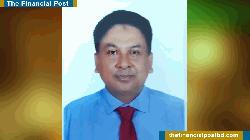
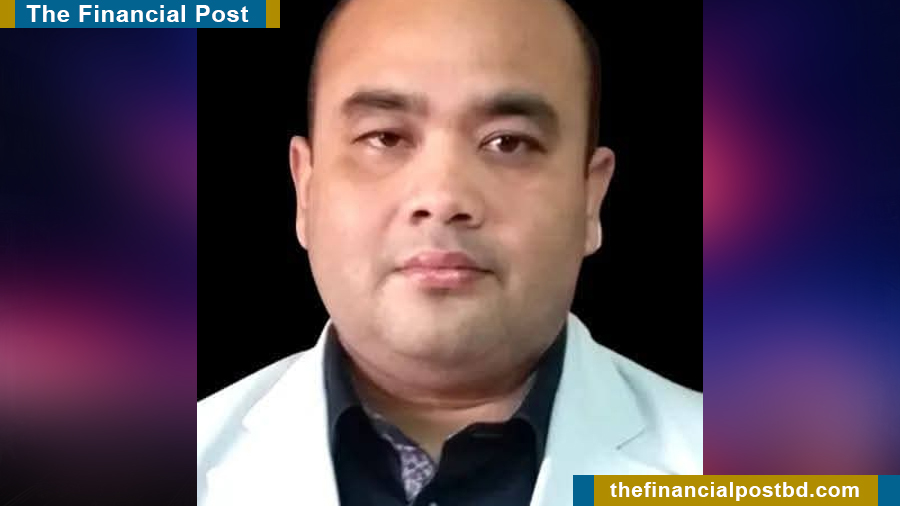
Bellal Bin Quashem, Poet, Writer & Public Relations Professional
FP/MI