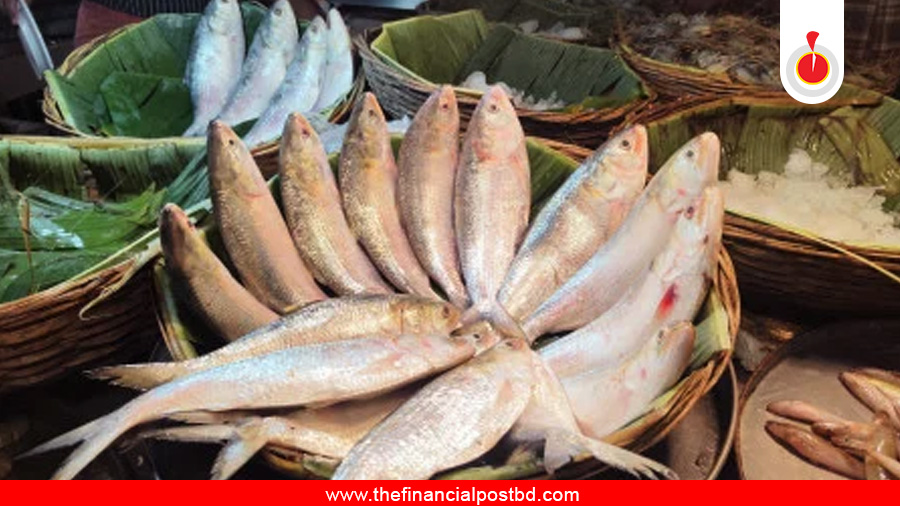
The government has taken robust initiatives to boost national hilsa production through strict law enforcement, enhanced VGF support for fishermen, and improved river navigability.
Fisheries and Livestock State Minister Sultan Salahuddin Tuku emphasized that protecting hilsa is a shared national responsibility. He urged strict implementation of the 22-day ban on hilsa catching from October 8 to October 29 to safeguard breeding and boost output.
Recent data shows a slight dip in hilsa yields. Production dropped by about 5.5 per cent to roughly 500,000 tons in the 2024-25 fiscal year, down from 529,000 tons the previous year. Fisheries officials and experts attributed the decline to climate change, ecosystem shifts, pollution, navigability crises, and indiscriminate catching of juvenile hilsa, known as jatka.
To reverse the trend, the Department of Fisheries is rolling out a new project titled "Sustainable Development of Hilsa through Conservation of Mother Hilsa and Jatka." The initiative places heavy emphasis on mobile courts, legal enforcement, and livelihood support. Under the proposed plan, Vulnerable Group Feeding (VGF) card allocations for fishermen will increase from 620,000 to 646,000.
Experts have recommended adopting advanced technologies—such as GIS, satellite tracking, IoT sensors, and AI-driven monitoring—alongside protecting river flow and estuarine environments. Drawing lessons from successful management in regions like Gujarat, researchers believe coordinated conservation, strict bans on fine-meshed nets, and safeguarding sanctuaries will secure the long-term sustainability of Bangladesh's iconic GI product.
FP/A