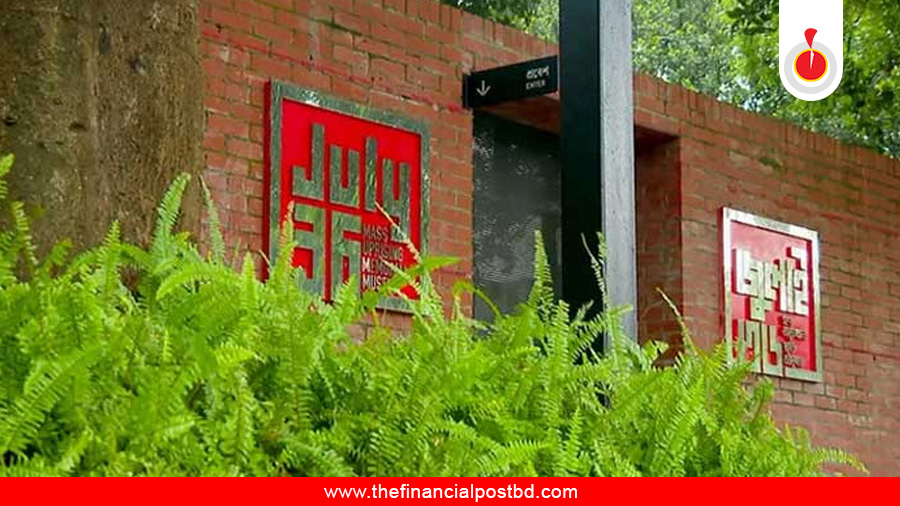
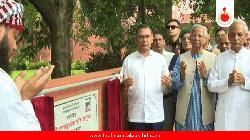
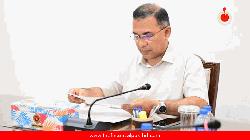
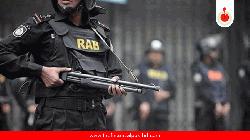
The July Mass Uprising Memorial Museum opened to the general public today at the former Gono Bhaban in Dhaka's Sher-e-Bangla Nagar, a day after its formal inauguration by Prime Minister Tarique Rahman.
Established to preserve the memories of those killed in the July 2024 Mass Uprising and present the history of the movement to future generations, the museum is now accessible to visitors through a time slot-based online booking system introduced to ensure orderly entry and avoid overcrowding.
Prime Minister's Adviser on Information and Cultural Affairs Dr Zahed Ur Rahman had earlier said the online ticketing and time-based entry system was designed to provide visitors with a safe and comfortable experience.
Under the system, visitors must book their visit through the museum's official online portal by verifying their mobile number and selecting an available time slot. Applicants will be notified of their allotted visiting time in advance. Those unable to secure a slot on a particular day will have to choose another available date.
The entry fee has been fixed at Tk 50 for adults and Tk 25 for children.
Access on the inauguration day was restricted to invited guests, July fighters and family members of those killed in the uprising. From today, the general public can visit the museum by purchasing tickets online.
The museum showcases major events from the previous decade and a half, the July uprising, the sacrifices of those killed, records of alleged enforced disappearances and torture, photographs, sculptures and symbolic graves.
Its galleries feature exhibits on the killing of army officers during the 2009 BDR mutiny, the events at Shapla Square, alleged enforced disappearances and custodial torture, as well as documents and artefacts related to the July uprising.
The collection also includes letters, clothes, personal belongings, photographs, videos, newspaper reports and other materials connected to those killed and injured during the movement.
More than 2,500 symbolic graves have been constructed on the museum's open grounds to commemorate those who lost their lives during the July movement. Sculptures and installations recreate significant moments from the uprising, including scenes depicting rickshaw pullers and Mir Mahfuzur Rahman Mugdho distributing water to protesters.
FP/A