By Md. Sulaiman, Bhola District Correspondent
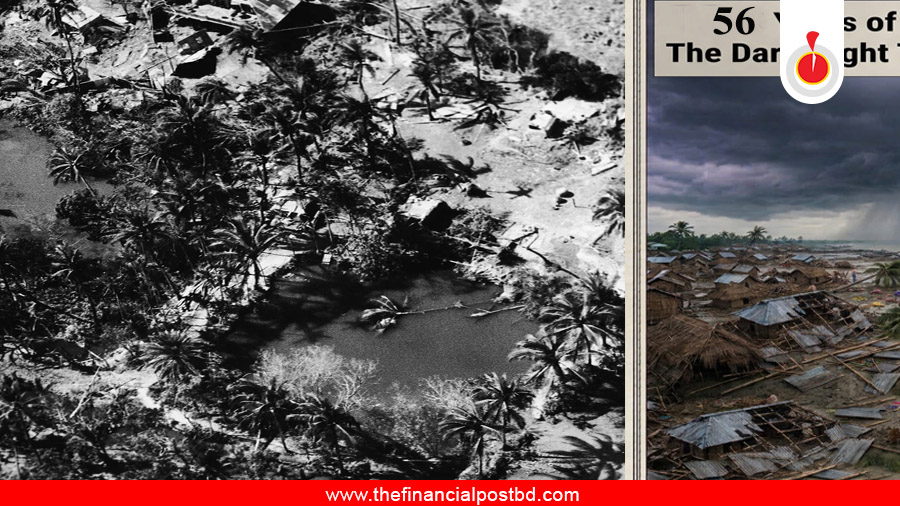 Collected Photo One of the deadliest tropical cyclones in recorded history struck the coastal regions of what was then East Pakistan, leaving behind unimaginable devastation. Fifty-six years later, the memories of that catastrophic night remain deeply embedded in the collective memory of Bangladesh, particularly among coastal communities.
Known as the Great Bhola Cyclone, the disaster claimed an estimated 300,000 to 500,000 lives, according to historical assessments. The World Meteorological Organization (WMO) identifies the 1970 cyclone as the deadliest tropical cyclone in recorded history. Its devastating impact exposed the vulnerability of coastal communities and intensified widespread criticism of the Pakistani government's disaster response.
A Night of Unimaginable DestructionThe cyclone struck the coast on the night of November 12–13, 1970, bringing devastating winds and a massive storm surge. According to Bangladesh's Department of Disaster Management, wind speeds reached approximately 224 kilometres per hour, while the storm surge rose between six and ten metres in affected areas.
Islands, coastal settlements and low-lying communities were overwhelmed by the rising waters. Thousands of homes were swept away, crops were destroyed, livestock perished and entire families disappeared beneath the waves.
Bhola district, particularly Monpura and Tazumuddin, was among the worst-affected areas. In many communities, the scale of destruction was so severe that entire settlements were almost wiped out. Survivors faced the heartbreaking task of searching for missing relatives and burying their loved ones amid widespread devastation.
The aftermath brought further suffering. Shortages of food, safe drinking water and medical assistance left survivors vulnerable to disease and malnutrition, adding to the humanitarian crisis.
Government Response Sparks Public AngerThe disaster also exposed serious weaknesses in the response of Pakistan's central government. Delays and inadequacies in relief and rehabilitation efforts generated widespread anger among the people of East Pakistan.
The perceived indifference of the ruling authorities deepened the sense of political and economic discrimination already felt by Bengalis. The government's response became a major issue in public debate, with political leaders and newspapers criticising the handling of the disaster.
The cyclone was no longer viewed merely as a natural catastrophe. It became a symbol of the political neglect and inequality experienced by the people of East Pakistan.
A Turning Point in the Political History of BangladeshThe Bhola Cyclone had far-reaching political consequences. Sheikh Mujibur Rahman, Maulana Abdul Hamid Khan Bhashani and other political leaders highlighted the suffering of cyclone survivors and criticised the government's inadequate response.
The disaster intensified public dissatisfaction with West Pakistan's ruling establishment ahead of the historic general elections of December 1970.
In the National Assembly election held on December 7, 1970, the Awami League, led by Sheikh Mujibur Rahman, won 167 of the 169 seats allocated to East Pakistan. The landslide victory reflected the overwhelming political support for the party's demands for autonomy.
Although the cyclone was not the sole cause of the political developments that followed, it became an important factor in deepening the crisis between East and West Pakistan and strengthening the Bengali nationalist movement. These developments eventually contributed to the struggle for independence in 1971.
From Humanitarian Response to the Birth of BRACAmid the devastation, humanitarian efforts emerged to support survivors in some of the hardest-hit areas.
Sir Fazle Hasan Abed, who was then working as a senior executive at Shell, travelled to Monpura with friends and colleagues to assist cyclone victims. The experience profoundly changed his outlook on life and inspired his commitment to humanitarian work.
Following the Liberation War, Abed returned to independent Bangladesh and established BRAC in 1972. The organisation initially focused on relief and rehabilitation in the war-ravaged country before gradually expanding into education, healthcare, poverty reduction and community development.
The experience of the 1970 cyclone was an important turning point in Abed's humanitarian journey, although BRAC itself was established after the country's independence.
A Legacy of Loss, Resilience and RemembranceFifty-six years after the Great Bhola Cyclone, its tragic legacy continues to remind Bangladesh of the devastating consequences of natural disasters and the importance of preparedness, effective early-warning systems and timely humanitarian assistance.
The people of Bhola and other coastal districts have endured repeated natural disasters, yet their courage and determination to rebuild their lives remain remarkable.
Remembering the victims of the 1970 cyclone is not simply an act of mourning. It is also a reminder of the responsibility to protect vulnerable communities, strengthen disaster preparedness and ensure that no one is left behind when disaster strikes.
Recognising November 12 as Coastal Day would provide an important opportunity to honour the victims, acknowledge the resilience of coastal communities and renew the national commitment to protecting lives along Bangladesh's vulnerable coastline.
FP/MIB