Power generation is being disrupted due to an energy crisis, leading to increased load shedding. Although the situation is not yet severe in the capital, rural areas are experiencing 8 to 10 hours of load shedding daily. Sudden and irregular outages are causing significant suffering for people in the heat.
The elderly, children, and the sick are the worst affected. Rising daytime temperatures combined with increased nighttime outages are disrupting normal life.
Experts say the situation has become complicated due to difficulties in fuel imports, a shortage of foreign currency, and unpaid bills of power plants. Many power plants are unable to operate at full capacity.
However, officials say coal supplies have started arriving, allowing coal-based power plants to resume full operations. They hope the situation will improve soon, although load shedding is expected to continue.
Under the current circumstances, the power crisis is no longer just an infrastructure issue; it is directly affecting the economy, agriculture, and daily life. Experts warn that without effective measures to reduce load shedding in rural areas, food production and the rural economy could face serious risks.
According to data from Power Grid Bangladesh PLC, which manages electricity transmission, the country supplied 12,324 megawatts of electricity against a demand of 14,350 megawatts at 1:00 pm on Thursday, leaving a shortfall of 2,026 megawatts. Later in the afternoon, as generation increased, the situation improved somewhat. Around 5:00 pm, production reached 13,148 megawatts against a demand of 14,180 megawatts, reducing the deficit to about 1,032 megawatts.
According to the Bangladesh Power Development Board (BPDB), electricity demand may rise to around 18,500 megawatts next month. Without adequate fuel supply, large-scale load shedding is likely during this period.
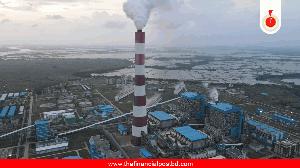
BPDB Member (Generation) Md. Zahurul Islam said that although coal-based generation was initially disrupted, the situation is now improving. One unit of the Rampal power plant has already resumed operation, and a unit of the SS Power Plant is returning to full capacity, especially during peak evening hours. Together, these plants are adding around 900 megawatts to the national grid, helping to ease load shedding after noon.
He added that coal is arriving at the Matarbari power plant and unloading is underway, which is expected to further increase production soon. However, a sudden rise in electricity demand has created pressure, and there has been a slight delay in coal supply to the SS Power Plant. Overall, he expressed hope that power generation will increase further within the next one to two days.
The ongoing conflict in the Middle East has disrupted global energy supplies, leading to shortages of gas and coal—the main fuels for power generation. Fuel reserves at private oil-based power plants are also running low. As a result, despite having a generation capacity of about 29,000 megawatts, the country is unable to fully utilize it due to fuel shortages. The current power deficit has reached around 2,000 megawatts.
Due to high costs, oil-based power plants cannot be operated at full capacity. If global uncertainty in fuel supply continues, the situation may worsen. At the same time, the power sector is facing a severe financial crisis due to large unpaid dues, subsidy shortfalls, uncertainties in fuel imports, and conditions imposed by international lenders. Ensuring uninterrupted power supply has become a major challenge for the government.
According to BPDB sources, outstanding payments to domestic and foreign power plants have exceeded Tk 47,000 crore. Of this, private oil-based plants are owed more than Tk 16,500 crore. Due to unpaid bills for seven to eight months, these plants are facing serious financial difficulties. Additionally, nearly Tk 3,000 crore in imported electricity bills remain unpaid.
President of the Bangladesh Independent Power Producers Association, David Hasanat, said power generation has dropped significantly due to the fuel oil shortage. Although private plants have a capacity of around 5,000 megawatts, current production is only about 2,000 megawatts. With sufficient fuel, the private sector could supply an additional 2,000 to 2,500 megawatts. Due to fuel shortages, production is being rationed, and only 25 to 30 percent of total capacity is being utilized, which could soon fall to 20 percent, increasing the risk of more load shedding.
He added that large unpaid bills and loan repayments are hampering fuel imports, which take around 40 days to complete, making it difficult to resolve the crisis quickly. Reduced gas and coal supply have further complicated the situation. The crisis may intensify in May when demand could reach 18,000 megawatts.
Industry and Business in Trouble: Load shedding in rural areas has reduced production in small and medium industries by half in many regions. Factories are unable to deliver products on time, causing financial losses. In northern regions especially, light and medium industries are being severely affected. Many entrepreneurs are forced to rely on alternative energy sources, increasing production costs.
Negative Impact on Agriculture: The agriculture sector is suffering the most. Power-driven irrigation systems are being disrupted, putting Boro rice cultivation at serious risk. In areas like Chuadanga and Satkhira, fields are drying up due to lack of irrigation. Fish hatcheries are also facing reduced production due to power shortages. Farmers say they cannot irrigate on time, creating uncertainty about crop yields.
Due to the gap between demand and supply, prolonged load shedding is occurring across both urban and rural areas. This is disrupting daily life and negatively impacting business, agriculture, and industrial production.
In Barishal city and nearby areas, frequent outages have severely disrupted daily life. Electricity is available for one hour and then cut for the next, affecting businesses, water supply, and mobile networks. Residents report that electricity is unavailable for five to six hours out of 12 hours during the day, with similar conditions at night.
Officials from Barishal power distribution centers said load shedding is being used to manage the situation due to insufficient supply from the national grid, and it is uncertain when conditions will normalize.
The situation is particularly severe in Sharankhola upazila of Bagerhat, where load shedding lasts 10 to 12 hours daily.
A similar picture is seen in Mymensingh, where both urban and rural areas are facing rotational outages, with some places receiving only half of the required electricity. Farmers and fish cultivators are among the worst affected.
In Jhenaidah, irregular outages are disrupting daily life, affecting education, healthcare, and small businesses. In Pabna, load shedding lasts four to five hours daily, with worse conditions in rural areas. Similar shortages are reported in Netrokona, Meherpur, and Kaliakair in Gazipur.
In 21 districts in the southwest, including Khulna, daily shortages range from 100 to 200 megawatts. Several power plants remain shut due to fuel shortages, worsening the crisis and increasing outages day and night.
In Dhamrai, Dhaka, electricity is supplied for one hour followed by one and a half hours of load shedding, significantly affecting industrial production and daily life.
Authorities say the main causes of the situation are power generation shortages, fuel crises, and insufficient supply to the national grid. If the current situation continues, public suffering is likely to worsen further during the summer season.
FP/MI